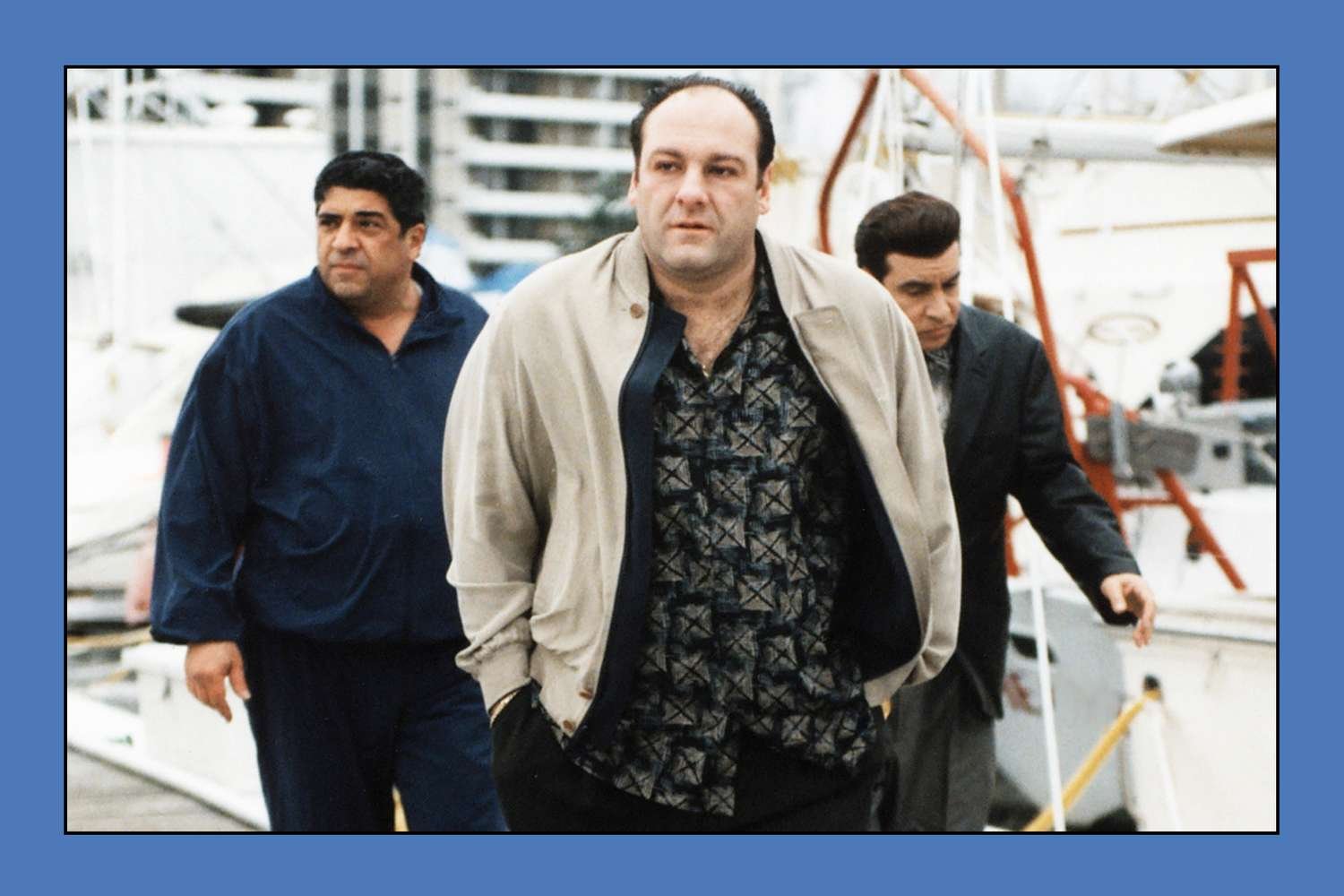

Revisiting the Heights of “The Sopranos”: A Look at the Best Episodes
When The Sopranos premiered on HBO in 1999, it wasn’t just another mob drama; it changed the landscape of television forever. Tony Soprano, portrayed by the late James Gandolfini, captivated viewers with his mix of charm and brutality. With sharp writing and complex characters, the show brought themes of familial loyalty, existential dread, and the moral ambiguities of modern life to the forefront. “Lately, I’m getting the feeling that I came in at the end. The best is over,” Tony mused in the pilot episode. That sentiment resonates even more than twenty years later.
In this blog post, we’ll take a deep dive into ten of The Sopranos’ most pivotal episodes. Each one serves as a crucial moment of storytelling and character development, offering insights that still linger in the public consciousness.
“The Second Coming” (Season 6, Episode 19)
The Second Coming stands as a haunting climax to Tony’s tumultuous journey. It’s a poignant exploration of how far the mobster has devolved by the series’ conclusion. As Tony grapples with sociopathic instincts, his role as a father becomes the last tether to his humanity.
The emotional tone shifts dramatically when AJ, Tony’s son, attempts suicide. In a moment of pure vulnerability, Tony, previously hardened and ruthless, displays a fleeting kindness, murmuring to his son, “Come on, baby.” Unfortunately, it feels like too little, too late. As Josh Wolk poignantly observed, the moment is devastating. The weight of paternal responsibility combines with impending doom, making this episode unforgettable.
“D-Girl” (Season 2, Episode 7)
In D-Girl, the storyline skillfully contrasts the frivolity of Hollywood with the grave realities of mob life. Christopher Moltisanti, the aspiring screenwriter, finds himself entangled in superficial drama while dealing with the heavy consequences of his mob affiliations.
From his attempts to navigate both worlds, we see stark contrasts: his foul dialogue fix on a film set versus the darker undertones of life as a mobster. The episode carries a brilliant air of irony as events unfold, leading Dan Snierson to classify it as a smart critique of two mercenary worlds colliding.
“Boca” (Season 1, Episode 9)
If you’ve ever wondered how swiftly reputation can crumble, Boca provides an excellent template. The episode revolves around Tony’s tyrannical efforts to protect his reputation after his uncle’s private proclivities become public. The comedic undertones meld seamlessly with brutal realities, showcasing Tony’s readiness to employ violence when his authority is challenged.
Watching him turn on his daughter’s soccer coach creates a visceral reminder of how convoluted his moral compass really is. The episode’s riveting food-to-face moment is a jarring example of how personal vendettas can spiral into chaos, capturing the strange duality of humor and horror that The Sopranos perfected.
“Long Term Parking” (Season 5, Episode 12)
The gut-wrenching tragedy of Adriana La Cerva’s arc culminates in Long Term Parking. Her desperation and beauty evoke sympathy, making her eventual demise particularly heartbreaking.
As Lisa Schwarzbaum notes, the episode captures the miserable last days of Adriana, serving as a stark reminder that loyalty in the mob has consequences that are often fatal. It’s deeply unsettling, yet it serves to underline how betrayal reverberates through relationships in the mob world—especially when intermingled with love.
“Employee of the Month” (Season 3, Episode 4)
In a season filled with beautifully layered arcs, Employee of the Month is indelibly marked by Dr. Melfi’s courageous confrontation with her own trauma.
The episode’s climax—the brutalization of Melfi—profoundly shapes her character, leaving viewers questioning the ethical boundaries of revenge and vengeance. Lorraine Bracco’s performance is arresting; even as she grapples with unspeakable horror, her resilience shines through. Her final line, “No,” is not just a rejection—it’s a declaration of her strength and autonomy.
“Funhouse” (Season 2, Episode 13)
The season two finale, Funhouse, is where surrealism meets harsh reality. Tony’s fever dream offers a glimpse into his fractured psyche, forcing him to confront Big Pussy’s betrayal while entangled in his own deeper conflicts.
The emotional weight of the episode heightens with Tony’s realization that his lifelong friend must meet a devastating end. It’s a visceral moment that reverberates through the series, epitomizing the tragic intersection of loyalty and betrayal that defines mob life.
“Pine Barrens” (Season 3, Episode 11)
Often hailed as a comedic highlight, Pine Barrens transcends simple humor to explore the complexities of survival and loyalty. Paulie and Christopher botch a hit, leading to absurd yet gripping moments that fans still enjoy quoting.
Yet beneath the snickers lies a deep-seated truth: even amidst folly and humor, loyalty erodes quickly when survival is at stake. The tension transforms this episode from mere comedy to a haunting exploration of the human condition, piling layers upon layers of meaning—making it a fan favorite.
“Whitecaps” (Season 4, Episode 13)
At its core, Whitecaps navigates the turbulent waters of Tony and Carmela’s marriage. The fallout from a drunken phone call reveals the cracks in their relationship, making their tumultuous story resonate deeply with viewers.
Edie Falco delivers a performance that’s both fearless and heartbreaking. Her raw emotions, coupled with the deep themes of trust and betrayal, make this episode a powerful showcase of the series’ narrative depth. It’s an almost poetic reflection on marriage, family, and the burdens of infidelity.
“The Knight in White Satin Armor” (Season 2, Episode 12)
Richie Aprile’s shock death marks a turning point in The Sopranos, and The Knight in White Satin Armor encapsulates it beautifully.
In the midst of family strife, the episode explores themes of betrayal and violence. When Janice pulls the trigger, it’s not just a plot twist—it’s a cathartic explosion of emotions that reverberates through the series. Lisa Schwarzbaum frames it as a Grand Guignol flourish, cementing it as one of the most memorable moments in Sopranos history.
“College” (Season 1, Episode 5)
College is where it all comes together for Tony and viewers alike. In what begins as an innocent father-daughter trip to check out colleges, the episode transforms into an exploration of trust, duality, and violent realities of mob life.
The brutality of Tony’s confrontation with the traitor serves as a harsh reminder of the lengths to which he will go to protect his family. As he reflects on his life choices, the episode raises poignant questions: Are we ever truly free from our past? Can the sins of our lives be reconciled with our desires to be ‘good’?
Why This Matters
The Sopranos isn’t just a show about mobsters; it’s an exploration of human emotion, connection, and the moral dilemmas we all face. As we revisit these episodes, it becomes clear that their relevance extends beyond our screens. They serve as reminders of our complexities and the gray areas that often characterize everyday life.
In today’s world, where moral ambiguity often feels like the norm, The Sopranos invites us to look deeper into our motivations and choices. As I reflect on Tony’s harrowing journey and the complicated characters intertwined in his world, I can’t help but wonder: How do we balance our desires with our responsibilities? What sacrifices are we willing to make for love, family, and survival?
These themes continue to resonate, reminding viewers that while the show has ended, the questions it posed are still very much alive in our hearts and minds.