
The Best Stephen King Movie Adaptations: A Journey Through Horror and Heart
Stephen King is synonymous with storytelling. Since his debut novel, Carrie, graced shelves in 1974, the Maine-born author has released a staggering 65 novels and over 200 short stories, collectively selling around 300 million copies worldwide. From the teenage horror of Carrie to the chilling clown in It, King has not only captured the imaginations of readers but has also seen many of his works translated into films. Yet, this translation isn’t always seamless.
King’s writing thrives on a unique interplay of sincerity, horror, and subtle campiness that can often falter in the world of cinema. As a result, while some adaptations soar, many stumble into the realm of the cringe-worthy. Even King himself admits that his directorial attempt, Maximum Overdrive, is not his proudest moment. Nevertheless, when a King adaptation hits the mark, the results can be nothing short of spectacular.
With The Life of Chuck currently hitting theaters, there’s no better time to explore both the highs and lows of Stephen King’s film adaptations. Let’s dive in!
11. Creepshow (1982)
At the intersection of horror and humor sits Creepshow, an anthology film co-written by King and directed by horror legend George A. Romero. King contributes not just stories but also appears in a hilarious segment himself. This film melds camp with clever storytelling, crafting an entertaining homage to 1950s EC horror comics. While some of the shorts are hits, like “They’re Creeping Up On You,” others might underwhelm. Nonetheless, Creepshow successfully captures King’s essence, blending spooky fun with a loving nod to retro horror.
10. The Mist (2007)
Frank Darabont’s adaptation of The Mist is a tense, nail-biting journey through a small town enveloped by a supernatural fog. While King’s novella hints at a more ambiguous ending, Darabont’s choice to go darker leaves a lasting impact on viewers. King himself has expressed a fondness for this adaptation, recognizing that its chilling moments and strong performances—especially from Thomas Jane and Marcia Gay Harden—heighten the original story’s tension.
9. The Running Man (1987)
The Running Man, based on King’s novella penned under the pseudonym Richard Bachman, is an audacious futuristic thrill ride. Starring Arnold Schwarzenegger, this film offers 1980s camp with extravagant style. While it’s important not to take its narrative too seriously—after all, it critiques senseless entertainment—it’s a delightful combination of action and social commentary. The film’s absurd over-the-top violence and flashy aesthetics reflect an ongoing conversation about reality television and sensationalism in media that resonates even today.
8. Dolores Claiborne (1995)
In adapting Dolores Claiborne, director Taylor Hackford captured the raw, emotional depth of King’s complex characters. Kathy Bates delivers a powerhouse performance as the titular character, a woman facing societal judgment while battling her past. The film dives deep into themes of resilience and maternal love in the face of adversity. It’s a stark reminder that King’s works cover far more than just horror; they explore the human condition, offering real-world reflections on trauma and healing.
7. The Shawshank Redemption (1994)
Often dubbed a classic, The Shawshank Redemption tells the story of hope, friendship, and resilience within the confines of Shawshank prison. This adaptation of King’s novella Rita Hayworth and Shawshank Redemption was a slow burn that didn’t receive immediate acclaim but grew into a cultural phenomenon. The film excels with its portrayal of the friendship between Tim Robbins’ Andy Dufresne and Morgan Freeman’s Ellis “Red” Redding. Its message about the indomitable spirit of hope is timeless, making it a must-watch for anyone, not just King fans.
6. The Long Walk (2025)
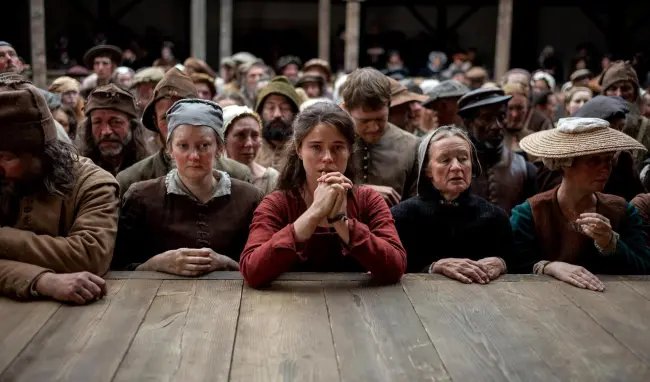
As a newer entry on this list, The Long Walk captures the haunting horror of King’s dystopian vision, where teenage boys are forced to participate in a deadly walking contest. The film, a nuanced exploration of societal pressures and the will to survive, reflects King’s depth in portraying young characters. This upcoming adaptation has generated buzz, so it’ll be exciting to see how it unfolds and compares to its literary roots.
5. Misery (1990)
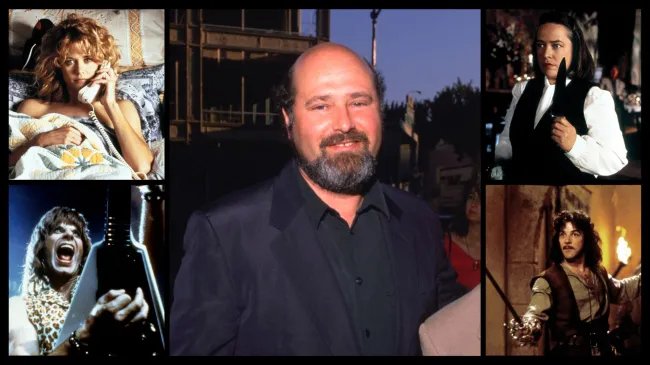
Misery is a perfect demonstration of how a film can improve upon its source material. Rob Reiner masterfully complements King’s story about an obsessive fan with a skillfully crafted narrative. Kathy Bates’ Oscar-winning performance as Annie Wilkes elevates the eerie tension, showcasing the darker side of fandom. This film poignantly addresses the often toxic relationship between creators and consumers, and its humor is cleverly intertwined with horror.
4. The Dead Zone (1983)
With The Dead Zone, director David Cronenberg creates a poignant tale merging horror with political themes. Christopher Walken portrays Johnny Smith, a man who awakens from a coma with psychic abilities. The ethical dilemmas he faces add depth to the source material, creating a thought-provoking narrative about the consequences of knowledge and the fragility of fate.
3. Stand By Me (1986)
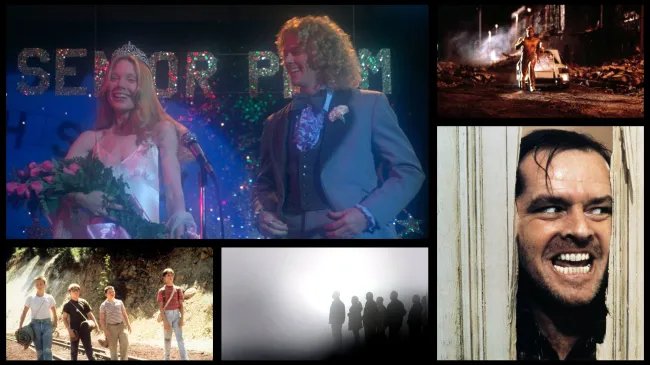
Based on King’s novella The Body, Stand By Me is an emblematic coming-of-age film that takes viewers on a nostalgic trip. Directed by Rob Reiner, it tells the story of four boys on a quest to find a dead body. This film captures the essence of childhood friendships, framed through the bittersweet lens of memory. It’s heartwarming without being saccharine, featuring standout performances from a young ensemble cast.
2. Carrie (1976)
Brian De Palma’s Carrie remains one of the defining horror films. What begins as a story of teenage bullying transforms into a tale of devastating revenge. Sissy Spacek’s performance captures the tortured inner life of Carrie White, skillfully blending horror with empathy. The film’s iconic prom scene has become a cultural landmark, symbolizing the horrors of high school life and the consequences of alienation.
1. The Shining (1980)
Despite Stephen King’s disdain for Stanley Kubrick’s adaptation of The Shining, many film critics regard it as one of the best horror films ever made. Jack Nicholson’s portrayal of Jack Torrance is chilling, capturing the encroaching madness within a suffocating environment. Kubrick’s vision transforms King’s narrative into a visually stunning and psychologically complex exploration of isolation and insanity. Although it departs from King’s original themes of redemption, it creates an enduring legacy, haunting audiences long after viewing.
Why It Matters
Stephen King’s films have become more than just horror stories; they often delve into deeper societal issues and the human psyche. Whether critiquing pop culture in The Running Man or exploring hope and resilience in The Shawshank Redemption, King’s works compel us to reflect on our realities.
As viewers and fans, our connection to these adaptations speaks volumes about our experiences and the world we inhabit. They illustrate that while horror can entertain, it also serves an essential purpose: to confront fears, invoke empathy, and spark discussions.
So, whether you’re a die-hard King devotee or a casual viewer, there’s something deeply enriching in diving into his cinematic adaptations—discovering not just stories, but reflections of ourselves. Who knows? You might find a piece of your own journey tangled in the threads of these narratives.