
The Unlikely Face of Fast Food: Wendy Thomas Morse and the Story Behind Wendy’s Name
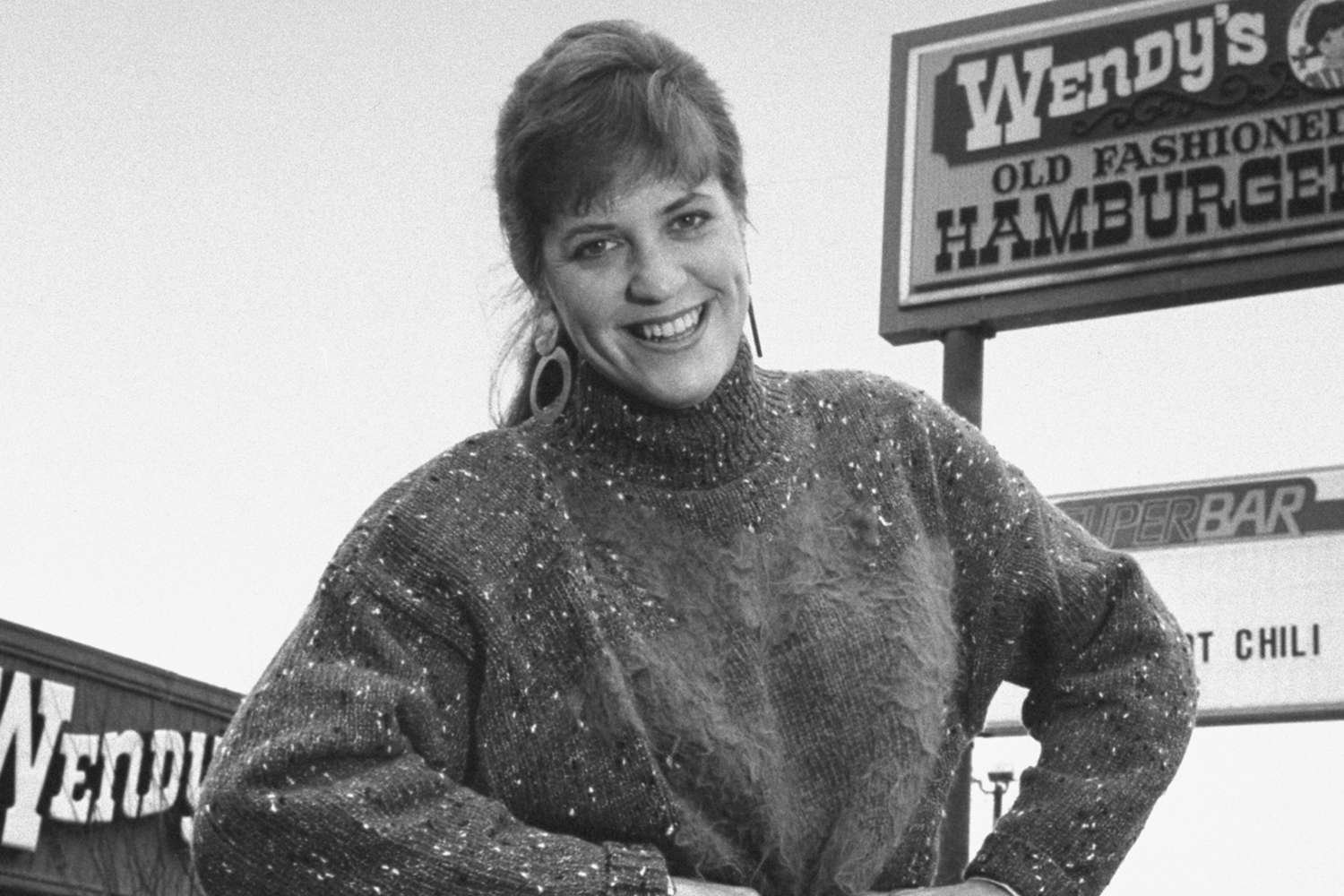
When you think of Wendy’s, what comes to mind? The iconic red pigtails? The fresh, never-frozen beef? Or maybe those cleverly witty Twitter exchanges? But behind it all lies a heartfelt story. Wendy Thomas Morse, the daughter of founder Dave Thomas, became the face of a fast-food giant before she even hit her teenage years. As the chain celebrates over five decades of serving up burgers and fries, she reflects on the legacy—and the burden—of having her name synonymous with fast food.
From Humble Beginnings to a Household Name
Wendy’s journey began in 1969, in a small corner of downtown Columbus, Ohio. Picture it: one man’s dream of serving fresh, quality hamburgers grew from a little eatery into a worldwide phenomenon. Dave Thomas named the restaurant after his daughter, Melinda Lou, affectionately calling her “Wendy.” He probably never imagined that his simple burger joint would one day flourish into an international brand with thousands of locations.
Wendy’s modeling career kicked off when she was just eight years old, and her father decided to use her image for the brand. But what does that mean for a child? The pressures to live up to a brand name at such a young age is no small feat. Imagine going through life’s ups and downs, but everywhere you turn, people are expecting you to embody the very essence of a fast-food chain.
A Legacy and a Weighty Responsibility
Reflecting on her unique position, Morse shared, “It felt like a big responsibility being the face of a restaurant.” Can you imagine how odd it must feel, growing up to have your name splashed across signs and billboards? It’s not just a reflection of your father’s success; it’s a part of your identity. When you’re a kid, you want to fit in like everyone else, not be the centerpiece of a restaurant’s marketing strategy.
Morse appreciates the legacy but admits it weighed heavily on her as a young girl. The responsibility of becoming a living logo isn’t something most kids ever face. “It was just nice to hear that he felt for me a little bit, like the pressure and the responsibility of being the namesake of a restaurant,” she remembers.
This mix of pride and pressure is something many can relate to when thrust into the spotlight at a young age. How does one balance personal identity with public perception?
The Apology That Never Came Too Late
As the years rolled by, Morse found herself discussing her unique role with her father. Can you imagine having a heartfelt conversation with a parent about their impact on your life? About ten years before Dave’s passing in 2002, he turned to her and said, “I’m really sorry I did that to you.” The sincerity in his voice must have thrown Morse for a loop. “Probably should just have named it Dave’s and that’d been a lot easier,” he added.
It was a moment where vulnerability met family love—a moment where a father recognized the complexities that come with a name, especially when it belongs to a multi-billion-dollar brand.
Money Isn’t Everything
Fast forward a couple of decades, and Wendy’s is a publicly traded company. Many people assume that Morse has made a fortune by simply being the face of the brand. Yet, she clarifies the misconception with sincerity: “They think that there’s a pot of gold behind that.” While it’s true that she and her siblings own several franchises, it hasn’t translated into a windfall just due to her affiliation.
“I’m honored that I represent the brand, and I try to represent it well,” she shares. This commitment to authenticity illustrates a stark contrast between public perception and private quality of life. The perception of wealth can be deceiving, especially when it comes wrapped up in nostalgic marketing.
A Burger Chain with Heart
Wendy’s has become more than just a fast-food restaurant; it’s a cultural icon. Beyond the flame-grilled patties, the chain has made strides in various community initiatives, reflecting a sense of corporate responsibility. It doesn’t just stop at serving burgers; Wendy’s engages with children’s organizations and food programs, echoing the values that Dave Thomas instilled.
Morse lives by the values her father emphasized—family, community, and genuine care for people. Although her name has become a brand, her commitment doesn’t waver.
Beyond the Brand: A Personal Legacy
What does all of this mean for everyday people? In the age of social media and brand endorsement, it’s easy to see a name become a marketing tool. But Morse’s story is a reminder that behind every well-known name is a personal narrative—one filled with familial love, corporate responsibility, and a desire to do more than just represent a logo.
And in a world filled with curated images and influencer lifestyles, it’s refreshing to hear someone share their struggle with authenticity. “It’s about more than just the name,” she emphasizes. It’s about legacy, family support, and collective responsibility.
Why This Story Matters
So, why should this story resonate with us? Because it’s about more than just a fast-food chain. It reminds us that each brand has a human element, filled with real emotions, struggles, and growth. It paints a picture of how we engage with the companies we patronize, urging us to look beyond the surface level.
Morse’s journey teaches us about the importance of representation, the weight of legacy, and the vital role family plays in navigating life’s complexities. It also serves as a reminder that we can honor our namesake without losing sight of who we are as individuals.
Dave Thomas’s legacy lives on through not just delicious burgers, but through his daughter’s heartfelt representation of what it means to carry a legacy. We see, then, that Wendy’s is more than just fast food; it’s a story steeped in family, history, and, ultimately, love. Every time you grab a Dave’s Single, remember there’s a heart—one with a name—behind it all.